
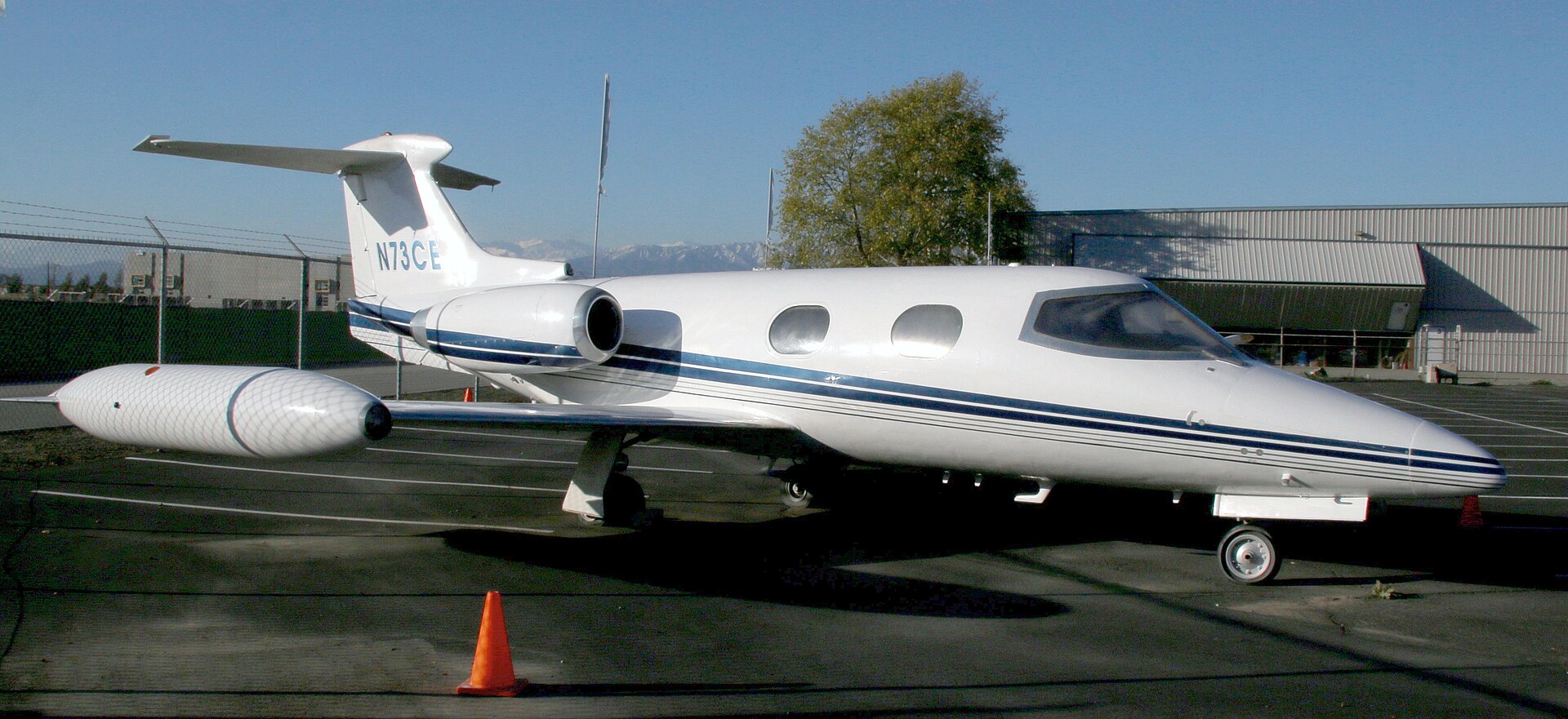
Learjet 23 N73CE, photographed in 2023. · Photo: kitmasterbloke via Wikimedia Commons, CC BY 2.0
Learjet · Light Jet
Learjet 23
The first Learjet and the root of the 20 series, followed by the Learjet 24, 25 and 28/29.
A landmark airplane rather than a practical one. It still climbs and cruises like a modern jet, but noise rules keep nearly every example out of the lower 48 states, and only one is known to be flying.
Buy it if
You are a collector or museum that wants the airplane that started business aviation, you have a type-rated crew and a specialist shop lined up, and the example is the hush-kitted, noise-compliant one.
Skip it if
You need transportation. A hush-kitted Learjet 24 or 25 gives the same look and speed with more fuel, and a Citation I costs far less to run with a roomier cabin.
Biggest compromise
Noise. Since the end of 2015, jets that miss the FAA's Stage 3 noise limits cannot fly to or from airports in the lower 48 states.
The numbers that matter
Purchase price
$80K–$301K
guide value (VREF and PlanePhD)
What it costs per year
$1.2M
at 300 hrs · two professional pilots
How far it flies
1,590 nm
About 850–1,000 nm (estimate) with passengers
How fast
450 kt
high-speed cruise
Seats
4
4 comfortable, 6 maximum
Pilots needed
2
Two pilots with a Learjet type rating; lower-48 flights also need Stage 3 hush kits.
Price
What one costs to buy
Guide value
$80K–$301K
Other sites
Priced vs call
with a price / call for price
No public asking price. VREF and PlanePhD guides run $80,000–$301,000; a non-flying example sold at auction for $41,000 in April 2025.
Price vs its family and alternatives
Scroll to explore · select a jet for details
Learjet 23 · This aircraft
$80K–$301K guide
Guide value, not a listed asking price.
The least expensive here; next up is the Learjet 24 (24, 24A–24F).
For sale now
None listed right now
Cost to own
What it costs per year to run
300hours / year
Per year
Per flight hour
Estimate — your operator will quote actual numbers.
Fuel, airframe maintenance and landing, handling and permits rise as you fly more. Two pilots, recurrent training, hangar, insurance and subscriptions and databases stay the same however much you fly.
Where the money goes
Partial estimate- Two pilots$231,25019%
- Recurrent training$45,0004%
- Hangar$36,0003%
- Insurance$42,5004%
- Subscriptions and databases$5,0000%
- Fuel$635,13653%
- Airframe maintenance$185,00115%
- Landing, handling and permits$22,5002%
Fuel is the biggest single cost at 53% of the total.
The JetGrade
53 out of 100 — Well below its class
Peer group: Learjet 24 / 24A–F, Learjet 25 / 25B / 25C / 25D, Cessna Citation I (500), Jet Commander 1121 / 1121A / 1121B
Seven categories at a glance
- - - 70 = typical— This aircraft
Strongest on speed & trip time, weakest on reliability & support.
Grades are editorial opinions about the model, not any specific aircraft. Sponsors and affiliates have no input. Reviewed 2026-09-29.
Where it flies
Sample trips and reach
Typical trips on a map
Nonstop
Depends on weight or weather
Fuel stop likely
1 of 6 sample trips are comfortable nonstops.
Sample flight times
- 0.9 hr
Carlsbad → Las Vegas
205 nm · Short hop; Stage 3 hush kits required
- 1.9 hr
Carlsbad → Aspen
625 nm · Hot-and-high; depends on weight and weather
- 2.2 hr
Santa Ana → San José del Cabo
765 nm · Fits on fuel; John Wayne noise limits are strict
- 2.5 hr
Teterboro → West Palm Beach
900 nm · At the edge of range; winds decide
- 3.4 hr
Dallas → Teterboro
1,190 nm · Needs one stop, typically mid-route
- 5.6 hr
Carlsbad → Teterboro
2,100 nm · Two stops typical; one with strong tailwinds
Lineage
What came before and after

1964–1966
Learjet 23
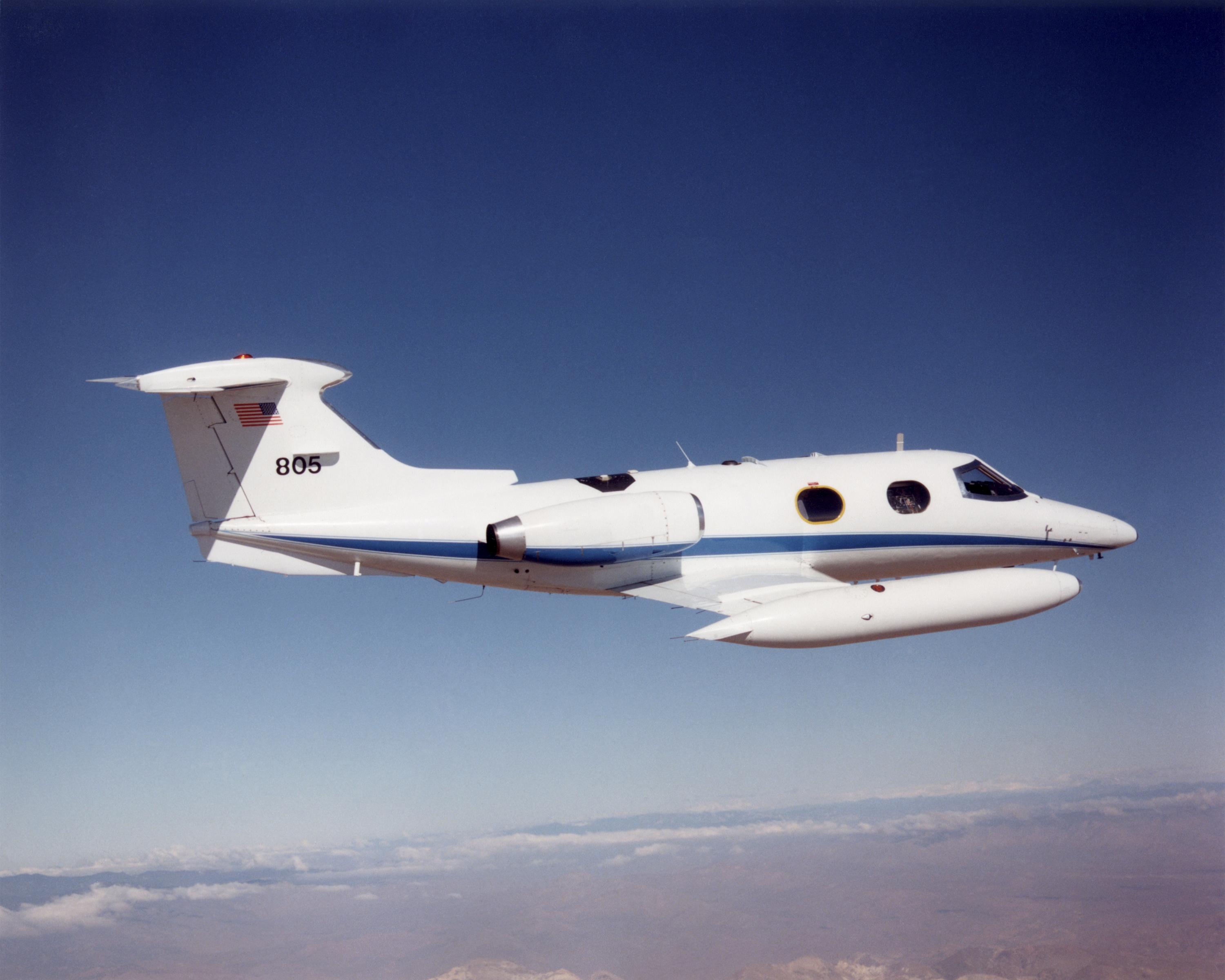
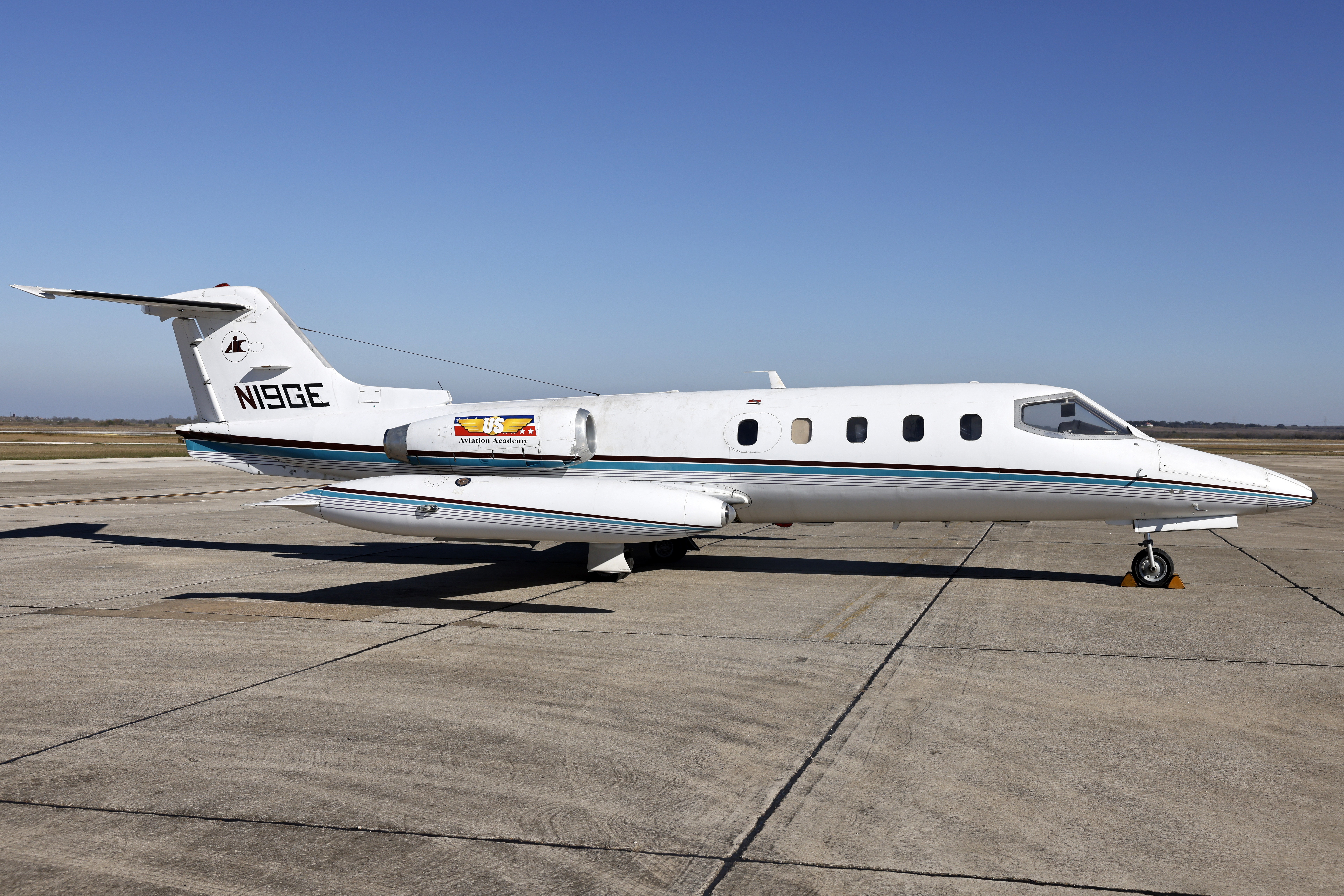
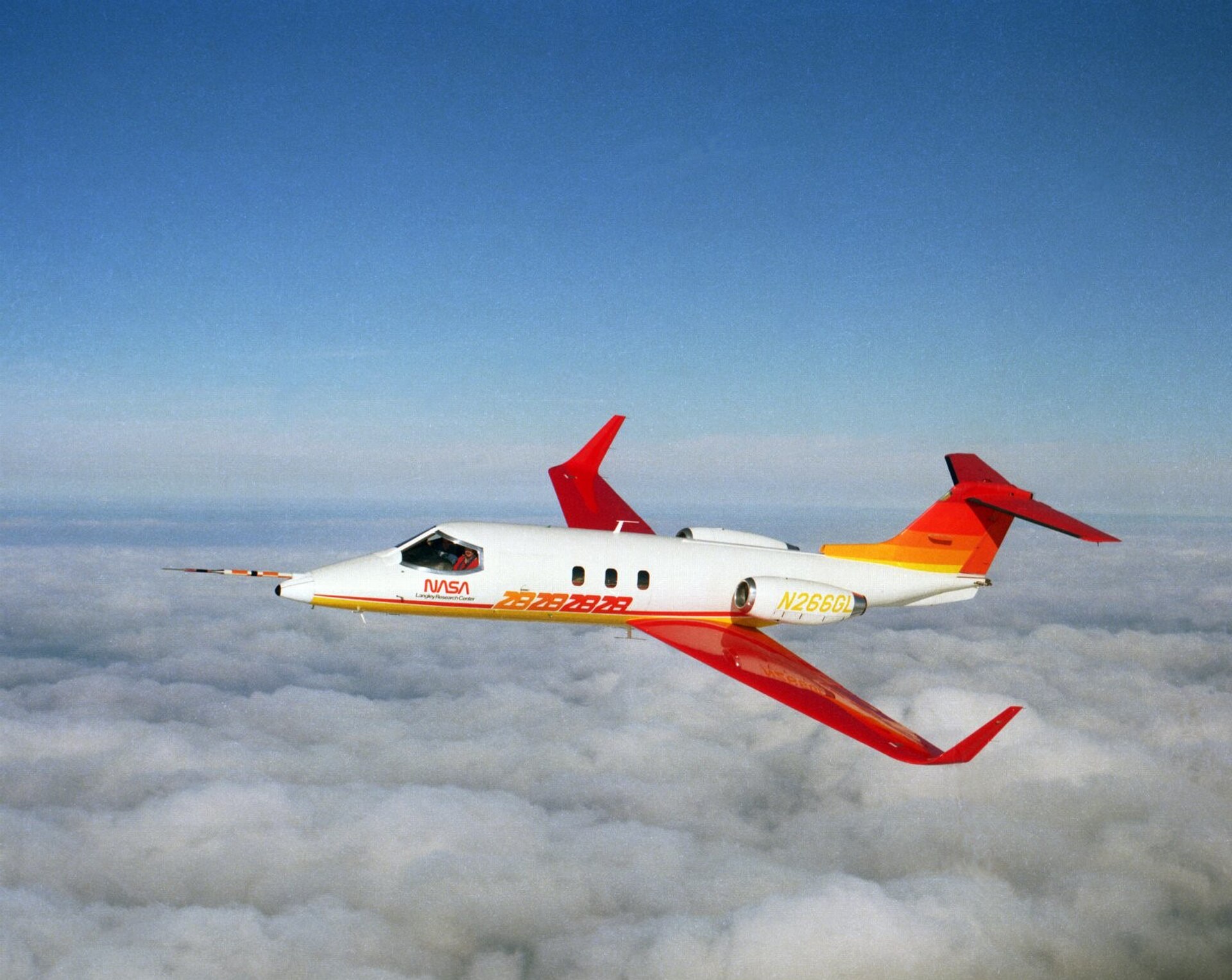
The original: 101 built, CJ610 turbojets, 12,499 lb maximum weight.
Size and cabin
How big it is, inside and out
Outside
Silhouette · scaled to length
Length
Wingspan
Height
Inside the cabin
Cabin length
Width
Height
Compare
How it stacks up
This aircraft
Learjet 23
- JetGrade
- 53
- Price
- $80K–$301K guide
- Cost per year
- $1.2M
- Range
- 1,590 nm
- Speed
- 450 kt
- Seats
- 4
- Cabin length
- 9′ 0″
- Pilots
- 2
- Years built
- 1964–1966
After →
- JetGrade
- 51
- Price
- $235K–$308K guide
- Cost per year
- $1.3M
- Range
- 1,200 nm
- Speed
- 439 kt
- Seats
- 5
- Cabin length
- 9′ 0″
- Pilots
- 2
- Years built
- 1966–1977
Alternative
- JetGrade
- 54
- Price
- $150K–$400K guide
- Cost per year
- $1.24M
- Range
- 1,535 nm
- Speed
- 464 kt
- Seats
- 7
- Cabin length
- 12′ 0″
- Pilots
- 2
- Years built
- 1967–1982
Alternative
- JetGrade
- 62
- Price
- $473K
- Cost per year
- $841K
- Range
- 900 nm
- Speed
- 335 kt
- Seats
- 5
- Cabin length
- 12′ 8″
- Pilots
- 2
- Years built
- 1971–1985
- Learjet 24 instead: The direct successor with more fuel and weight; hush kits exist for it, so kitted examples can still fly across the lower 48.
- Learjet 25 instead: A four-foot stretch with more seats and current hush-kit approval; the practical way to own a classic Lear.
- Cessna Citation I instead: Slower, but far cheaper to fly, with fan engines, a roomier cabin and broad engine support.
Gold marks the best figure in each row.
Owning one
What to know before you buy
Engines & inspections
2 × General Electric CJ610-4 · 2,850 lbf each
No APUEngine hours until overhaul
- A inspection (A1–A6) · 300 hr
- B inspection (B1–B6) · 600 hr
- C inspection (C1–C6) · 1,200 hr
- D inspection (D1–D6) · 2,400 hr
- Engine overhaul · 5,000 hr
- 12,000-hour inspection · 12,000 hr
- 12-year structural inspection every 144 months
We found no pay-per-hour program for these engines, so overhauls are paid as they come; budget with a specialist shop's quote.
Known issues
Stage 3 noise prohibition
Since 2016, jets that miss Stage 3 noise limits cannot fly to or from airports in the lower 48 states.
No current hush kit
Current Stage 3 kit approvals cover the Learjet 24 and 25; we found no current kit approved for the 23.
Parts from salvage
With 101 built and one flying, many spares come from dismantled airframes held by parts dealers.
Pre-buy checklist
0 of 9 checked
Support comes from a handful of Learjet 20-series specialists, such as Spectra Jet in Ohio, and from parts dealers that dismantled retired airframes.
Review
The full review
Strengths
- Climbs at up to 6,900 feet per minute and cruises near 450 knots, still quick by today's standards.
- Published takeoff distance of about 3,400 feet opens shorter runways when weight allows.
- Real history: one of 101 built, the first Learjet, with a sister ship displayed at the Smithsonian.
Limitations
- Burns about 256 gallons an hour, roughly $2,100 of fuel for every hour flown at September 2026 prices.
- Cabin is only 4 ft 4 in tall and 4 ft 11 in wide, with a toilet under one seat.
- Only one of 101 is known to be airworthy, and many parts come from dismantled airframes.
The Learjet 23 is where the private-jet business began. Bill Lear's company flew the first one in October 1963, won FAA approval in July 1964 and delivered the first customer airplane that October. Its wing, wingtip fuel tanks and main landing gear came from a Swiss fighter design, the FFA P-16, which is why it looks and flies like a small fighter. Lear built 101 of them through 1966 before the heavier, more capable Learjet 24 replaced it. Every later Learjet, from the 24 and 25 to the final Learjet 75, traces back to this airplane.
Pilot's take
Pilots who flew the 23 describe a pilot's airplane: light, responsive controls and performance that arrives at jet speed, with little margin for a crew that falls behind. Takeoff and landing speeds are high for its size, the wing is small, and early operators learned hard lessons; roughly a third of the fleet was lost in accidents over the years. Today the bigger workload is paperwork: confirming noise compliance, keeping RVSM and ADS-B approvals current, and finding a type-rated second pilot. We would treat every flight as a planned event with a current, experienced two-pilot crew.
Who this is for
Collectors, heritage flight groups and museums that value history over transport, with the budget for a two-pilot crew, a specialist shop and a deep structural inspection every 12 years.

Ask about this aircraft
Answers come only from our research file on the Learjet 23.
Your earlier questionsOwners
Private to verified ownersOwn a Learjet Learjet 23? Verify with its FAA registration to join the owners' thread and the real-cost poll.