
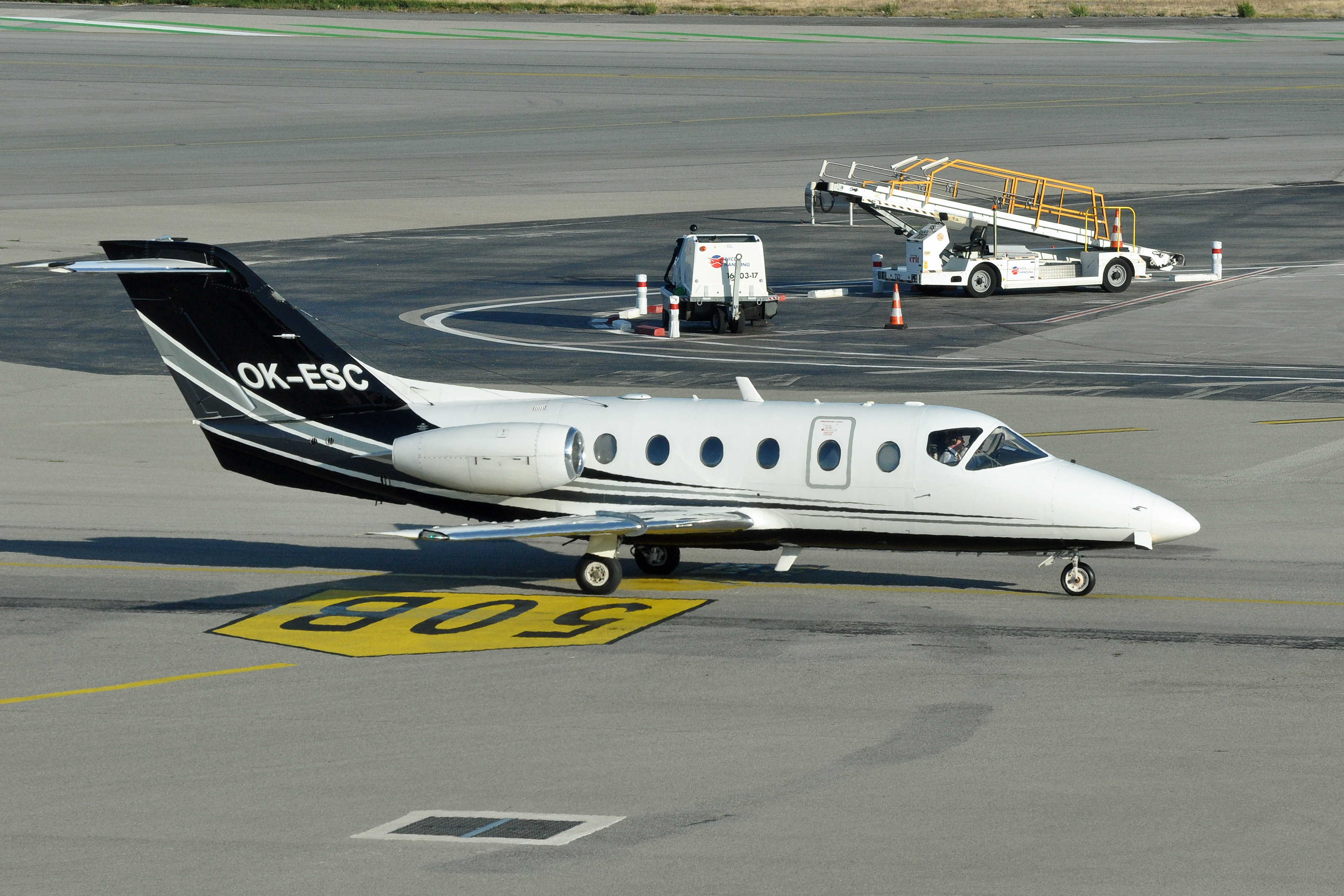
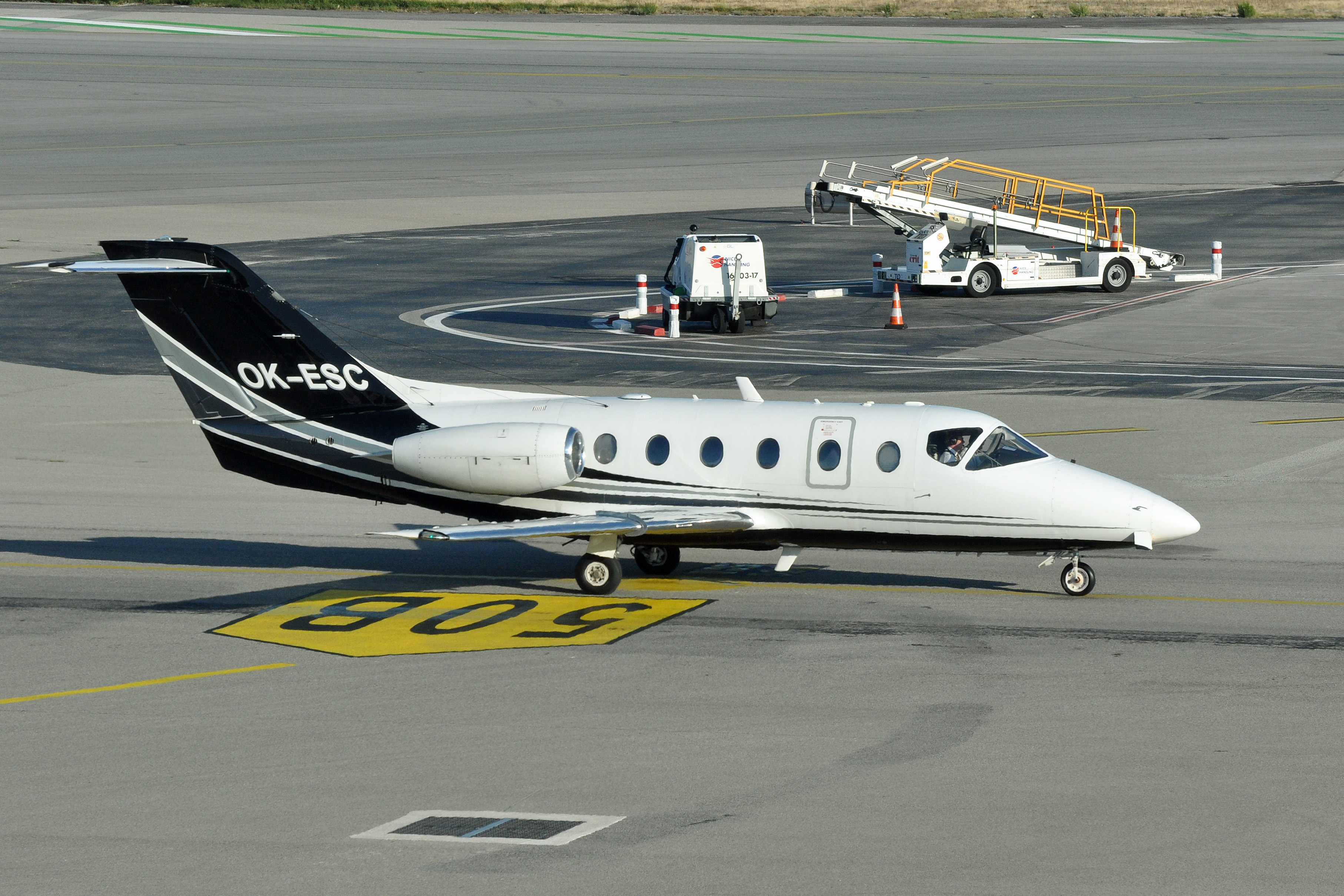
Nextant 400XT OK-ESC at Nice, France, in 2020. · Eric Salard, CC BY-SA 2.0, via Wikimedia Commons
Nextant · Light Jet
Nextant 400XT
The first Nextant remanufacture of the Beechjet 400A, sitting between the Hawker 400XP and the 400XTi.
The 400XT turns a Beechjet into one of the fastest, longest-legged light jets available for about $1.4–1.5M. The trade-offs are an old airframe underneath, a snug cabin, two required pilots and a thin support network.
Buy it if
You fly two to four people on 500–1,800 nm trips, value speed, want 2,000 nm capability for under $1.5M, and already plan on two pilots.
Skip it if
You need single-pilot operation, a larger cabin or big baggage space, or you want a young airframe with deep factory support behind it.
Biggest compromise
The engines and cockpit are relatively young, but the airframes are not. Listed 400XTs carry 11,000–15,000 total hours, and repeat FAA inspections on the tail ribs and pitch trim, plus support for conversion-only parts, make the pre-buy inspection and records review more important than on a factory-built jet.
The numbers that matter
What it costs per year
$1.14M
at 300 hrs · two professional pilots
How far it flies
2,005 nm
How fast
460 kt
high-speed cruise
Seats
7
7 typical (8 with lavatory seat)
Pilots needed
2
Two pilots required; this model has no single-pilot approval.
Price
What one costs to buy
Typical asking price
$0
Other sites
20.8% of the fleet
Priced vs call
with a price / call for price
Only one of four verified listings shows a price, $1.395M for a 2012 conversion. AvBuyer's JETNET panel puts current asks at $1.395–1.5M.
Price vs its family and alternatives
Scroll to explore · select a jet for details
Diamond I (MU-300)
$250K–$400K guide
Guide value, not a listed asking price.
See the Diamond I (MU-300)For sale now
None listed right now
Cost to own
What it costs per year to run
300hours / year
Per year
Per flight hour
Estimate — your operator will quote actual numbers.
Fuel, airframe maintenance, engine program and trip and miscellaneous rise as you fly more. Two pilots, recurrent training, hangar, insurance, management and subscriptions and databases stay the same however much you fly.
Where the money goes
- Two pilots$295,59126%
- Recurrent training$28,9063%
- Hangar$29,8483%
- Insurance$23,4282%
- Management$48,0004%
- Subscriptions and databases$29,4023%
- Fuel$338,40030%
- Airframe maintenance$178,05016%
- Engine program$97,3509%
- Trip and miscellaneous$71,2506%
Fuel is the biggest single cost at 30% of the total.
The JetGrade
72 out of 100 — Slightly above its class
Peer group: Beechcraft Beechjet 400A, Hawker 400XP, Hawker 400XPR, Cessna Citation CJ3, Learjet 40
Seven categories at a glance
- - - 70 = typical— This aircraft
Strongest on speed & trip time, weakest on reliability & support.
Grades are editorial opinions about the model, not any specific aircraft. Sponsors and affiliates have no input. Reviewed 2026-09-29.
Where it flies
Sample trips and reach
Typical trips on a map
Nonstop
Depends on weight or weather
Fuel stop likely
Out of reach
5 of 8 sample trips are comfortable nonstops.
Sample flight times
- 0.9 hr
Carlsbad → Las Vegas
205 nm · Short hop at any practical weight
- 1.9 hr
Carlsbad → Aspen
625 nm · Hot-and-high; depends on weight and weather
- 2.2 hr
Santa Ana → San José del Cabo
765 nm · Comfortable nonstop with four passengers
- 2.5 hr
Teterboro → West Palm Beach
900 nm · Easy nonstop with fuel to spare
- 3.2 hr
Dallas → Teterboro
1,190 nm · Nonstop with four; tighter with full cabin
- 3.7 hr
Teterboro → San Juan
1,410 nm · Nonstop over water with four passengers
- 5.7 hr
Carlsbad → Teterboro
2,100 nm · One stop in still air; strong tailwinds help
Los Angeles → Honolulu
2,215 nm · Beyond range with required ocean reserves
Lineage
What came before and after
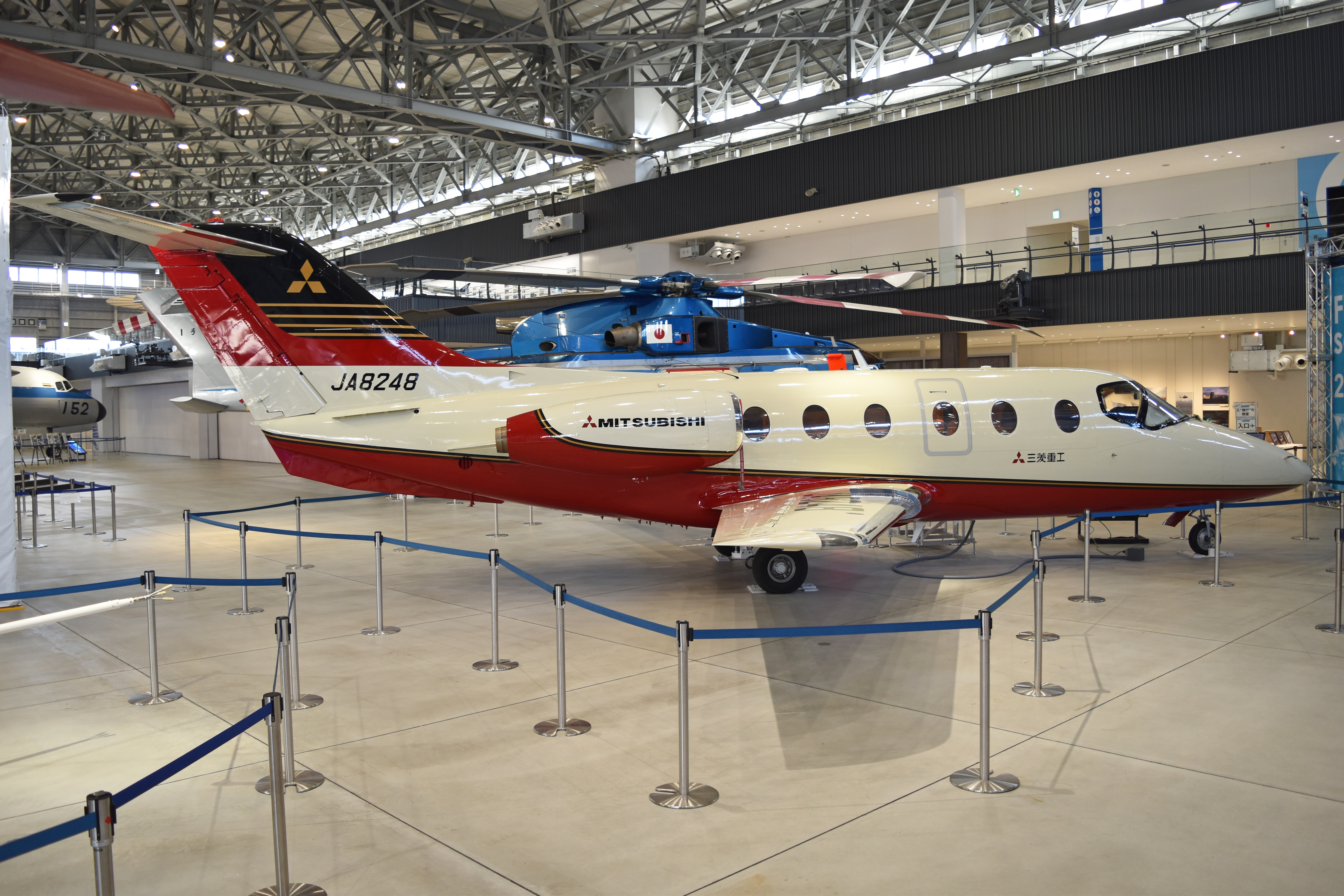
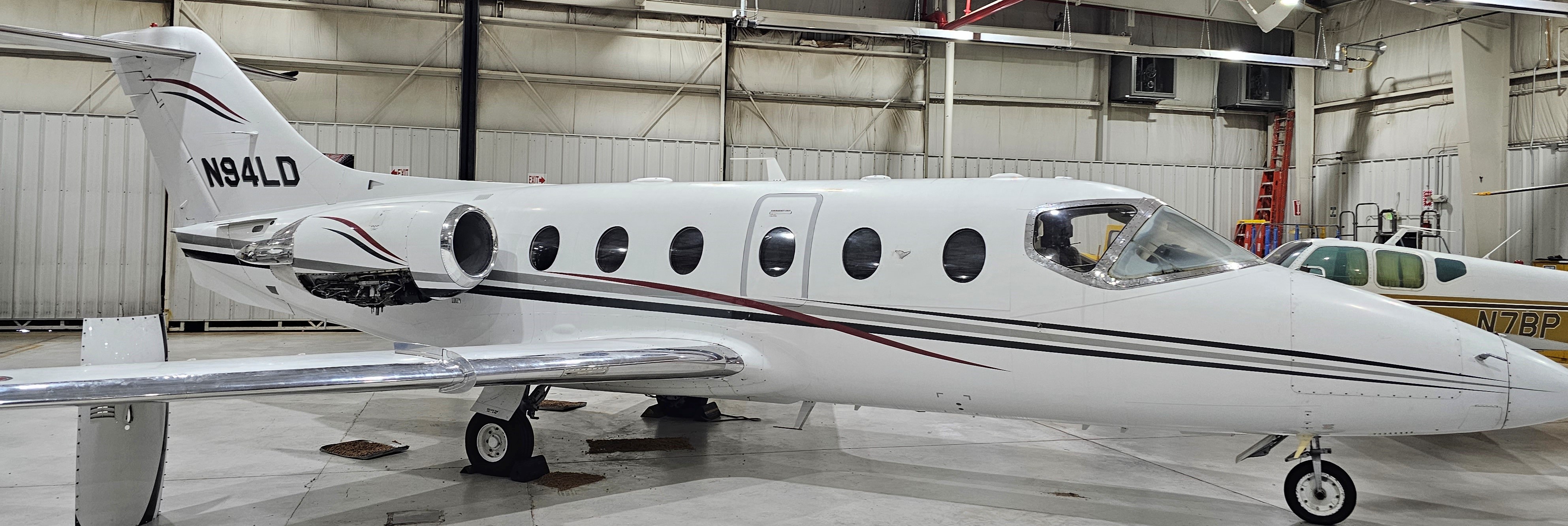
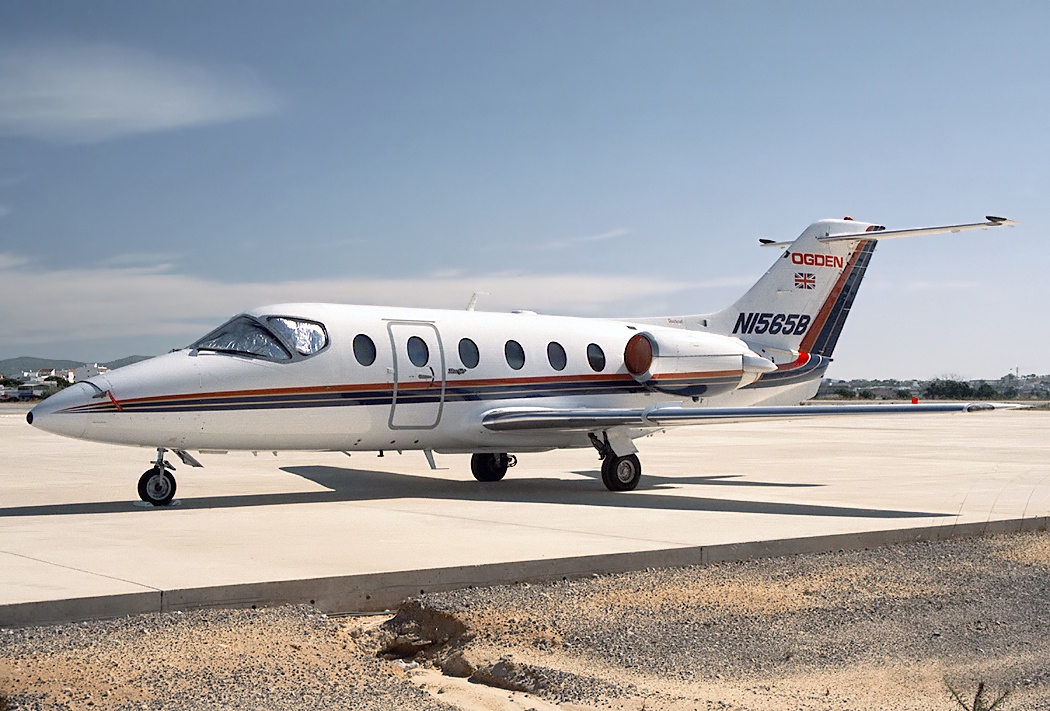


2011–2014
Nextant 400XT
Remanufactured 400A with Williams engines and Pro Line 21.
What changed from the Beechcraft Beechjet 400A
- Williams FJ44-3AP engines replace the Pratt & Whitney JT15Ds, burning about 30% less fuel.
- Range with four passengers rises about 50%, to roughly 2,005 nm.
- Collins Pro Line 21 glass cockpit replaces the original instruments.
- New engine mounts, wider pylons and low-drag cowlings.
- Main wiring harness replaced and life-limited parts reset to zero time.
- Climb to 43,000 ft takes about 22 minutes instead of 33.
Size and cabin
How big it is, inside and out
Outside
Silhouette · scaled to length
Length
Wingspan
Height
Inside the cabin
Photo · this model
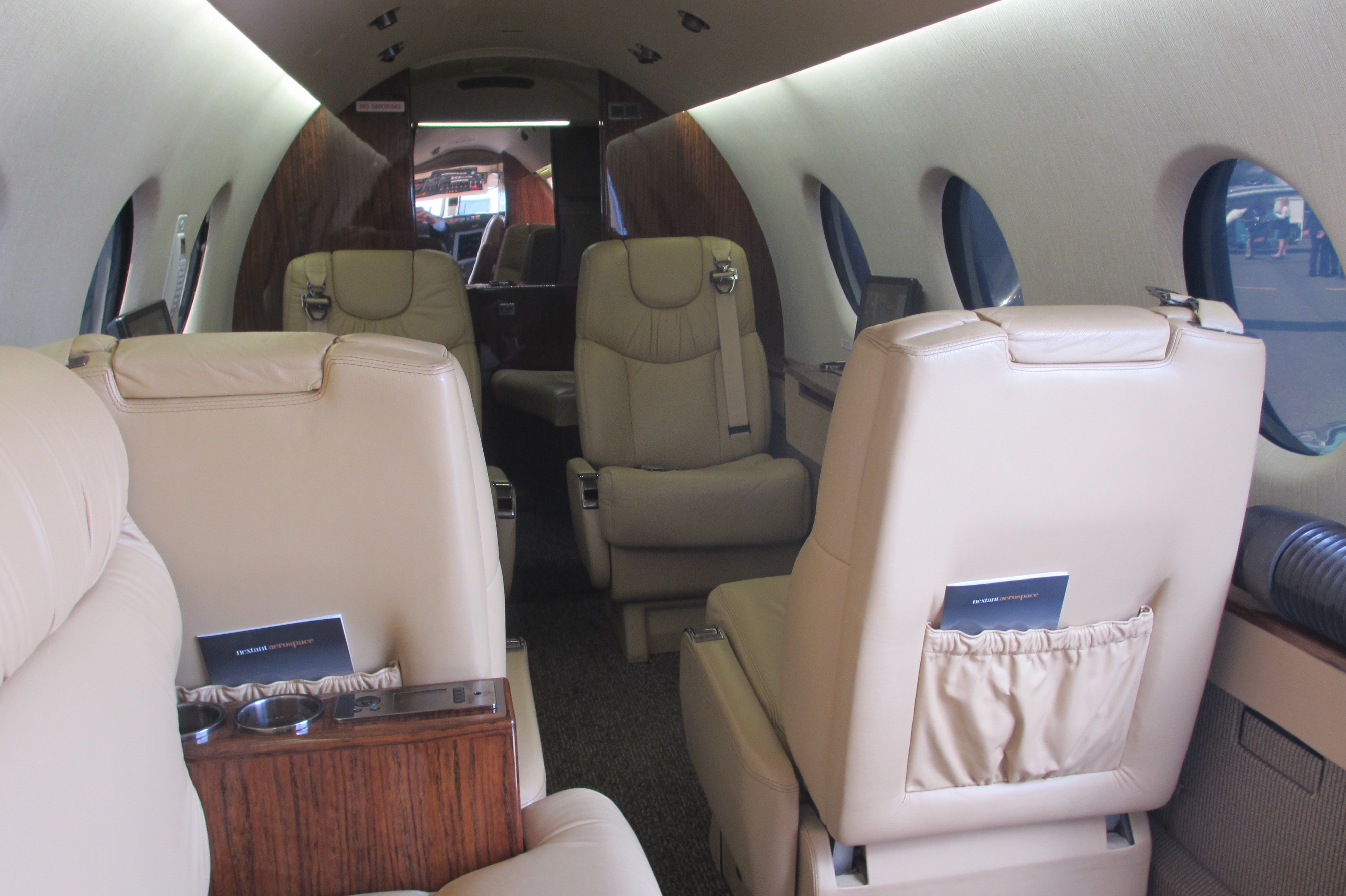
Cabin length
Width
Height
Compare
How it stacks up
This aircraft
Nextant 400XT
- JetGrade
- 72
- Cost per year
- $1.14M
- Range
- 2,005 nm
- Speed
- 460 kt
- Seats
- 7
- Cabin length
- 15′ 7″
- Pilots
- 2
- Years built
- 2011–2014
← Before
- JetGrade
- 68
- Price
- $1.2M
- Cost per year
- $1.33M
- Range
- 1,885 nm
- Speed
- 458 kt
- Seats
- 7
- Cabin length
- 15′ 7″
- Pilots
- 2
- Years built
- 1990–2003
After →
- JetGrade
- 72
- Price
- $2.8M–$3.4M guide
- Cost per year
- $1.13M
- Range
- 2,160 nm
- Speed
- 460 kt
- Seats
- 7
- Cabin length
- 15′ 6″
- Pilots
- 2
- Years built
- 2014–2019
Alternative
- JetGrade
- 70
- Price
- $1.85M–$3.65M guide
- Cost per year
- $1.15M
- Range
- 2,160 nm
- Speed
- 447 kt
- Seats
- 7
- Cabin length
- 15′ 6″
- Pilots
- 2
- Years built
- 2016–now
Alternative
- JetGrade
- 71
- Price
- $5.2M
- Cost per year
- $955K
- Range
- 1,875 nm
- Speed
- 417 kt
- Seats
- 6
- Cabin length
- 15′ 8″
- Pilots
- 1
- Years built
- 2004–2014
- Nextant 400XTi instead: Same engines and cockpit with a redesigned, roomier interior shell; current asks run about $2.0–2.5M.
- Hawker 400XPR instead: Textron's own re-engined 400XP with Williams FJ44-4A engines, backed by the original manufacturer.
- Cessna Citation CJ3 instead: Single-pilot certified, with more baggage room and a large service network, trading away some cruise speed.
Gold marks the best figure in each row.
Owning one
What to know before you buy
Engines & inspections
2 × Williams International FJ44-3AP · 3,050 lbf each
No APUEngine hours until overhaul
- B inspection · 400 hr
- C inspection · 1,200 hr
- Pitch trim jackscrew replacement · 1,800 hr
- Tail rib crack inspection · 2,400 hr
- Engine hot section inspection · 2,500 hr
- Engine overhaul · 5,000 hr
- Emergency lighting power check every 12 months
Most airframes carry Williams pay-per-hour coverage. It does not transfer automatically; Williams must approve the new owner, who then continues without catch-up fees.
Known issues
Tail rib cracking
An FAA directive requires X-ray or borescope checks of horizontal tail ribs every 2,400 hours; cracked ribs must be replaced.
High-time donor airframes
Listed airplanes show 11,000–15,000 total hours. Remanufacture reset components, not the structure's age or cycle count.
Pitch trim actuator wear
The trim jackscrew and nut must be replaced every 1,800 hours; the FAA estimated about $18,000 each time.
Pre-buy checklist
0 of 10 checked
Williams supports the engines through its pay-per-hour network. Nextant's conversion engineering now sits inside Flexjet Technical Services in Cleveland, so confirm support for conversion-specific parts before buying.
Review
The full review
Strengths
- Fast for a light jet: 460 kt fast cruise and about 22 minutes to 43,000 ft.
- Long legs: Nextant quotes 2,005 nm with four passengers, about 50% more than a stock Beechjet.
- Low entry price: the one priced listing asks $1.395M, about a third of the new price.
Limitations
- Two pilots required, adding roughly $200,000–390,000 a year in crew pay.
- Compact cabin and about 46 cu ft of baggage; full tanks leave only a few hundred pounds for people.
- Old donor airframes with 11,000–15,000 total hours and repeat tail and trim inspections.
The Nextant 400XT is a Beechjet 400A that has been stripped, rebuilt and re-engined. Nextant Aerospace, based in Cleveland, took used Beechjet 400A and Hawker 400XP airframes, spent more than 6,000 hours of labor on each, fitted Williams FJ44-3AP engines and a Collins Pro Line 21 glass cockpit, and returned them to service from October 2011. About 27 were delivered before the 400XTi, with a redesigned interior, took over in 2014. The launch customer was the fractional operator Flight Options, which ordered 40.
Pilot's take
From the cockpit, the 400XT is a Beechjet with far better legs. The Williams engines, run by full-authority digital engine controls, reach 43,000 ft in about 22 minutes and cruise at up to 460 kt, and the four-screen Collins Pro Line 21 cockpit will be familiar to most corporate pilots. Single-engine climb improves sharply over the stock Beechjet, to about 845 ft per minute. Crews should plan on two-pilot operations, dedicated simulator training and careful fuel planning on legs beyond 1,500 nm with a full cabin.
Who this is for
Owners and small operators who usually fly two to four people, want 460 kt speed and 2,000 nm range, already budget for two pilots, and will trade cabin size and airframe age for a low purchase price.

Ask about this aircraft
Answers come only from our research file on the Nextant 400XT (remanufactured).
Your earlier questionsOwners
Private to verified ownersOwn a Nextant Nextant 400XT? Verify with its FAA registration to join the owners' thread and the real-cost poll.